Workflow-Driven Chat Applications Powered by Adaptive Cards
Explore how to design workflow-driven chat applications using Adaptive Cards to enhance AI interactivity and structured conversations. Discover the benefits and implementation strategies.
AI & Machine Learning Series — 28 articles
- Using ChatGPT for C# Development
- Trivia Spark: Building a Trivia App with ChatGPT
- Mastering LLM Prompt Engineering
- Building a Key Press Counter with ChatGPT
- ChatGPT Meets Jeopardy: C# Solution for Trivia Aficionados
- English: The New Programming Language of Choice
- Using Large Language Models to Generate Structured Data
- Prompt Spark: Revolutionizing LLM System Prompt Management
- Integrating Chat Completion into Prompt Spark
- WebSpark: Transforming Web Project Mechanics
- Accelerate Azure DevOps Wiki Writing
- The Brain Behind JShow Trivia Demo
- Interactive Chat in PromptSpark With SignalR
- Building Real-Time Chat with React and SignalR
- Workflow-Driven Chat Applications Powered by Adaptive Cards
- Understanding Neural Networks
- Creating a Law & Order Episode Generator
- The Transformative Power of MCP
- Computer Vision in Machine Learning
- Harnessing NLP: Concepts and Real-World Impact
- The Impact of Input Case on LLM Categorization
- The New Era of Individual Agency: How AI Tools Empower Self-Starters
- AI Observability Is No Joke
- Mountains of Misunderstanding: The AI Confidence Trap
- Measuring AI's Contribution to Code
- Building MuseumSpark - Why Context Matters More Than the Latest LLM
- Ithaka Gave You the Journey: AI-Assisted Development
- The Same Trick, Different Magic
Filed under Building software with AI
Topic cluster
AI and Machine LearningApplied AI, machine learning, and the practical limits of intelligent systems.
Workflow-Driven Chat Applications With Adaptive Cards
Balancing AI Innovation with Defined Business Workflow
Discover how to design and implement workflow-driven chat applications using Adaptive Cards. Learn to enhance AI-driven chat experiences with structured conversations and interactive UIs for better engagement and productivity.
Deep Dive: Workflow-Driven Chat Applications With Adaptive Cards
Chat applications with artificial intelligence (AI) are leading us into an era of intelligent interaction, revolutionizing the way we communicate and providing structured, goal-oriented experiences.
Introduction to Workflow-Driven Chat Applications
One way to achieve the balance between AI innovation and business goals is through Adaptive Cards and workflow-driven processes. Adaptive Cards are versatile UI components that enable developers to craft visually appealing, interactive content optimized for chat applications.
By integrating workflows with Adaptive Cards, developers can create structured, goal-oriented chat applications that maintain the flexibility and innovation of AI-driven interactions while ensuring alignment with business objectives. Workflows provide the structure necessary for chat-driven interactions to be coherent, allowing developers to guide users through a series of pre-defined steps that lead to a desired outcome.
Key Insight
An established, deterministic tool is critical in contexts like healthcare where variability can be dangerous. Applications must respond correctly without delay and be accurate in their responses.
The chat applications of the future will be built around the workflows that drive them. We have an opportunity to build something that is fundamentally more interactive and functional, and therefore more useful, than what we currently have; something that is fundamentally more "intelligent," in the colloquial sense, because it incorporates modern chat experiences as just one part of a "smarter" user experience.
The Role of Structure in AI-Driven Chat
AI excels in processing and generating language, but without a clear structure, conversations can lose focus and frustrate users.
Benefits of Workflow-Driven Design
Goal-Oriented Interactions
Ensure conversations lead to specific outcomes
Prevent Inefficiency
Avoid meandering, unproductive conversations
Business Alignment
Align interactions with predefined objectives
Coffee Brewing Workflow Example
Overview of the Coffee Workflow
Imagine a chat application designed to guide users through the process of brewing the perfect cup of coffee. The workflow begins with a welcome message and progresses based on user preferences for coffee strength and brewing method. The workflow adapts to inputs, offering tailored guidance for drip coffee, pour-over, or French press methods.
At each stage, users can:
- Receive actionable tips for enhancing their coffee experience
- Choose to start over or end the interaction
- Follow guided steps based on their preferences
How the Workflow Enhances the Experience
This coffee brewing workflow demonstrates the power of workflow-driven chat applications by:
- Presenting questions and options in a clear, interactive format using Adaptive Cards
- Dynamically navigating the conversation based on user inputs, ensuring logical progression
- Adapting the chat flow to meet user preferences, such as their desired coffee strength and brewing method
- Offering actionable tips and instructions while maintaining engagement
- Following a structured JSON-based workflow that is easily configurable for updates or enhancements
JSON Workflow Example
Below is an example snippet from the JSON workflow file used to guide the conversation:
{
  "id": "chooseStrength",
  "question": "How strong would you like your coffee?",
  "answers": [
    { "response": "Mild", "nextNode": "chooseBrewMethod" },
    { "response": "Medium", "nextNode": "chooseBrewMethod" },
    { "response": "Strong", "nextNode": "chooseBrewMethod" }
  ]
}
Each node in the workflow includes:
- A question that frames the interaction
- Answers that direct the user to the next step in the workflow
This structure ensures logical progression and a seamless user experience.
Adaptive Cards: Enhancing Structure and Usability
Adaptive Cards are flexible UI components that add structure and interactivity to chat systems. They serve as a foundation for presenting information and enabling user actions in a clear and engaging format.
Benefits of Adaptive Cards
Consistent User Experience
Ensure a visually appealing and uniform interface across platforms
Interactive Elements
Include buttons, forms, and dropdown menus for direct user engagement
Dynamic Content Updates
Automatically adjust content based on conversation flow
Enhanced Data Visualization
Display complex data in an easily understandable format
Workflow-Driven Design: A Guide for AI Interactions
Workflow-driven design ensures that AI chat systems follow logical paths and adhere to system requirements. By structuring interactions into nodes and transitions, developers can define clear objectives and maintain consistency.
Clear Objectives for Each Conversation
Every workflow should have a specific goal or outcome. Whether it's gathering user information, providing support, or guiding through a process, the conversation should be designed with the end goal in mind.
Align with Business Goals and User Needs
Workflows must balance business requirements with user experience. This means understanding both what the organization needs to achieve and what users expect from the interaction.
Maintain Consistency Across Scenarios
Consistent behavior across different user scenarios builds trust and reduces confusion. Users should know what to expect from the system regardless of their entry point or path.
Workflow Components
Nodes and Edges
Represent steps in the workflow and define transitions
Dynamic Adaptation
Modify workflows in response to user actions
JSON-Based Configuration
Simplify updates without requiring developer intervention
Intelligent and Goal-Oriented AI Applications
AI-powered tools like Co-Pilot shine when they combine intelligence with purpose. Workflows and Adaptive Cards allow these systems to maximize their potential while maintaining user focus.
Key Capabilities of AI-Powered Workflow Systems
Step-by-Step Guidance
Guide users through complex tasks with clear, actionable instructions
Relevant Information
Present actionable information without overwhelming the user
Dynamic Adjustment
Adapt to user input while staying aligned with objectives
Goal Alignment
Maintain focus on the overall objective throughout the interaction
Meeting System Requirements with Adaptive Workflows
One of the challenges of integrating AI into chat applications is ensuring compliance with system requirements. Workflow-driven design provides the control and flexibility needed to address these concerns.
Enforce Business Rules and Compliance Standards
Workflows can embed business rules directly into the conversation flow, ensuring that all interactions comply with organizational policies and regulatory requirements. This is particularly important in industries like healthcare, finance, and legal services.
Incorporate Data Validation and Error Handling
Built-in validation ensures that user inputs meet required criteria before proceeding to the next step. Error handling can guide users back to correct inputs without breaking the conversation flow.
Enable Easy Updates and Iterations
JSON-based workflow configurations allow teams to update conversation flows without requiring code changes. This enables rapid iteration and continuous improvement based on user feedback and changing requirements.
Conclusion: Bridging AI Innovation and Structure
AI-driven chat applications like Co-Pilot represent the cutting edge of intelligent interaction. However, their effectiveness hinges on the ability to deliver structured, goal-oriented conversations.
The Future of Chat Applications
By integrating Adaptive Cards and workflow-driven design, developers can create AI systems that not only leverage the full potential of AI but also provide a user experience that is clear, efficient, and aligned with business objectives.
The next generation of smart chat applications should engage intuitively with users for their benefit while achieving system goals seamlessly. This dual achievement represents the highest level of artificial intelligence in chatbot development—understanding both user intent and system intent.
Next Steps
Ready to implement workflow-driven chat applications? Start by identifying your key business processes and mapping them to structured workflows. Consider how Adaptive Cards can enhance the user experience while maintaining the focus on your organizational objectives.
Adaptive Cards offer numerous advantages when integrated into workflow-driven chat systems:
- Structured Conversations: Maintain a logical progression in chat interactions with clear workflows and adaptive content.
- Interactive Elements: Add buttons, input fields, and dropdowns for an engaging user experience.
- Dynamic Content Updates: Ensure real-time updates that align with the user’s responses and workflow logic.
- Seamless Cross-Platform Functionality: Adaptive Cards maintain a consistent look and behavior across all devices.
- Enhanced Data Visualization: Display complex data in a user-friendly and visually appealing manner.
Workflow Design for Adaptive Card Integration
Workflow-driven design is the backbone of structured chat applications. Each node in the workflow corresponds to an Adaptive Card that guides the user through a predefined set of actions. Here’s how it works:
- Nodes and Edges: Nodes represent individual steps in the workflow, while edges define possible transitions based on user input.
- Dynamic Adaptation: Responses determine the next step in the workflow, allowing for personalized experiences.
- JSON-Based Configuration: Workflows are easily configurable by using JSON files, enabling non-developers to update interactions without coding.
Key Advantages of Workflow-Driven Chat Applications
Combining workflows and Adaptive Cards creates chat applications that are:
- Efficient: Streamlined interactions with structured guidance.
- Engaging: Interactive elements keep users invested in the conversation.
- Scalable: JSON-based workflows allow easy updates and modifications.
- AI-Powered: OpenAI integration ensures intelligent and personalized responses.
Conclusion: Elevate Your Chat Systems with Adaptive Cards and Workflows
Workflow-driven chat applications powered by Adaptive Cards are the future of AI chat systems. By leveraging structured workflows, interactive UI components, and real-time communication, developers can build scalable, intuitive, and engaging chat applications. Whether you’re creating a support bot, a data collection tool, or a guided interaction system, integrating Adaptive Cards and workflows ensures a superior user experience.
Explore More
- Using ChatGPT for C# Development -- Accelerate Your Coding with AI
- Trivia Spark: Building a Trivia App with ChatGPT -- Rapid Prototyping and AI-Assisted Development in Practice
- Mastering LLM Prompt Engineering -- The Art of Effective AI Communication
- ChatGPT Meets Jeopardy: C# Solution for Trivia Aficionados -- Blending Trivia and Technology
- English: The New Programming Language of Choice -- How English is Transforming Software Development
Related project evidence
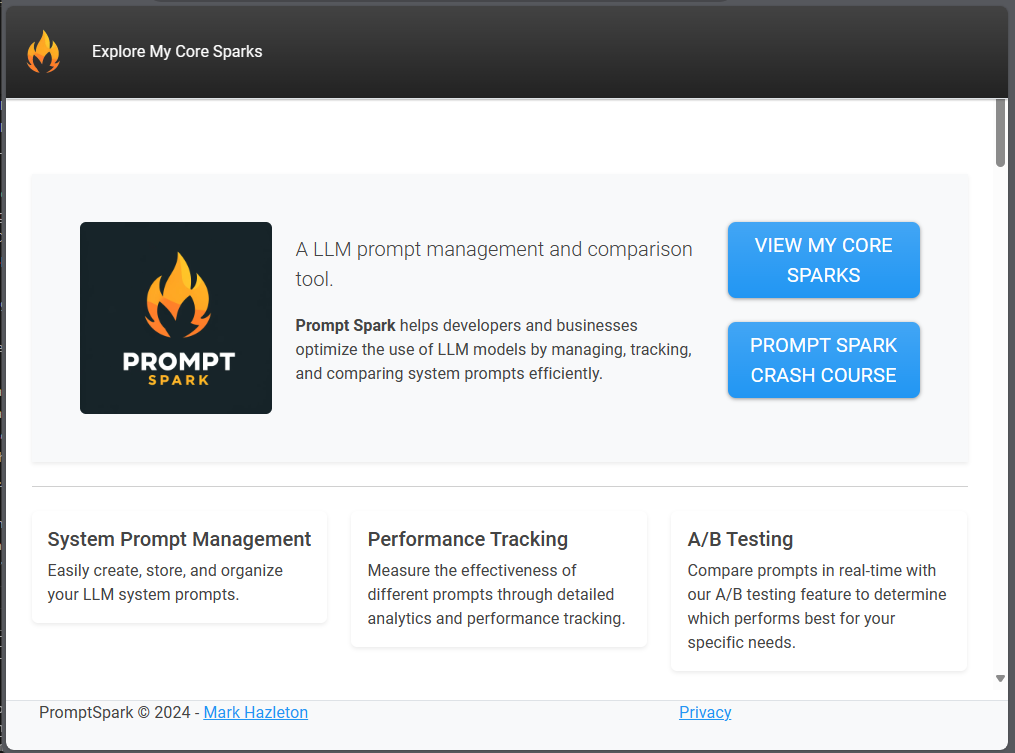
PromptSpark
PromptSpark.Chat is a real-time, workflow-driven chat application built with ASP.NET Core, SignalR, and Adaptive Cards. Users interact with branching multi-step workflows through conversational UI, with optional AI-driven responses via IChatCompletionService.
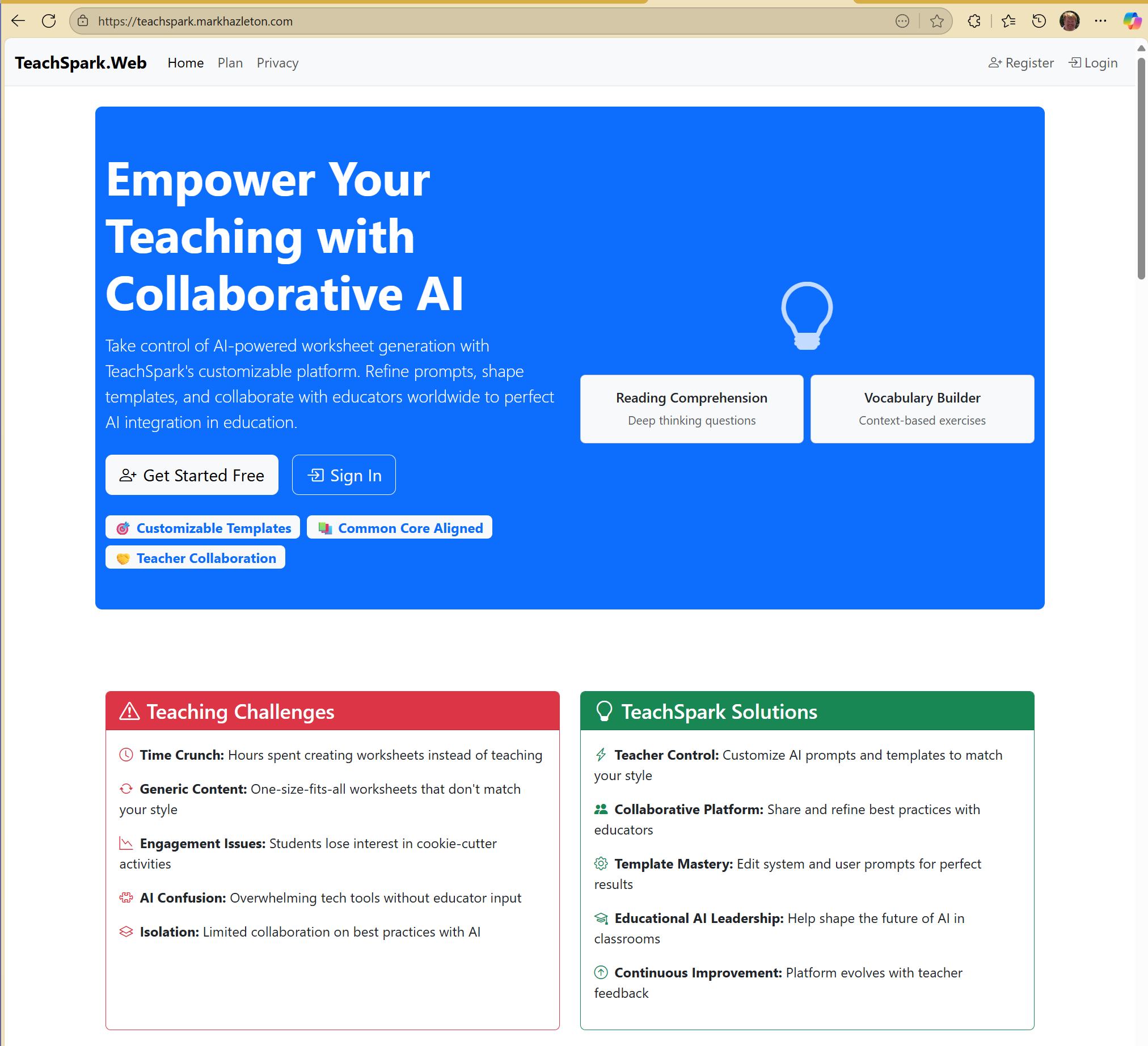
TeachSpark: AI-Driven Educational Platform
TeachSpark is an LLM-powered educational platform built with .NET 10 MVC and a Webpack 5 frontend build system. It provides adaptive learning with personalized content delivery, interactive curriculum with real-time feedback, progress analytics, and comprehensive code quality tooling (ESLint, Prettier, Husky).
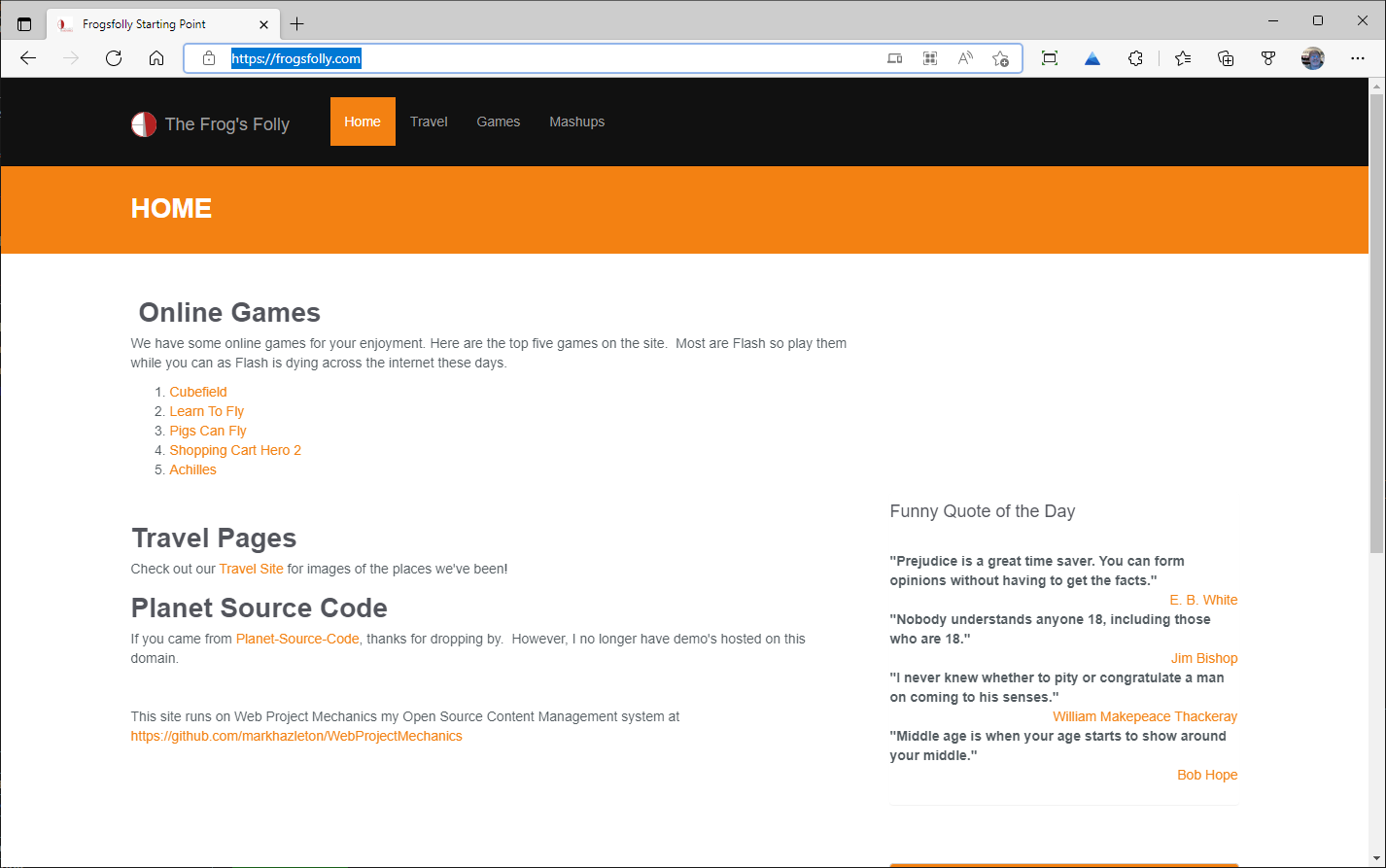
Frogsfolly.com Main
Frogsfolly.com is the original website I created in 1999 when learning web technologies.
Working through something similar?
If this maps to something you're working on, I'm glad to compare notes. Start with the system and the constraint that matters most.