Adapting with Purpose: Lifelong Learning in the AI Age
Lifelong learning is less about collecting credentials and more about adapting to real workflow change. This article examines how AI supports that process and where caution is still required.
Project Management Series — 6 articles
- The Art of Making Yourself Replaceable: A Guide to Career Growth
- The Balanced Equation: Crafting the Perfect Project Team Mix
- Adapting with Purpose: Lifelong Learning in the AI Age
- Hotfix Prioritization Matrix & Decision Framework
- Building a Quick Estimation Template When You Have Almost Nothing to Go On
- From Features to Outcomes: Keeping Your Eye on the Prize
Filed under Leadership and systems thinking
Topic cluster
Project Leadership and DeliveryProject Mechanics, leadership judgment, delivery accountability, and team operating models.
Deep Dive: Lifelong Learning and AI
How AI transforms lifelong learning and adaptability
The world of development is changing fast. Artificial Intelligence (AI) sits at the center of this shift moving from a future idea to an integral part of our daily lives and jobs. As someone who believes in lifelong learning, I'm excited about how AI can speed up how we learn and open new ways to gain and use knowledge.
I don't think AI makes lifelong learning less important; it makes it better. I believe that instead of taking our place, AI will boost what we can already do.
Deep Dive: Lifelong Learning in the AI Age
Deep Dive: Lifelong Learning in the AI Age. Made with Microsoft Clipchamp and Notebook LM by Google.
Key Concepts in AI-Enhanced Learning
Lifelong Learning Revisited
Lifelong learning has always been about the continuous pursuit of knowledge—whether to deepen expertise, acquire new skills, or satisfy curiosity. Traditionally, this process has involved a combination of formal education, self-directed study, and practical experience.
However, as AI continues to influence nearly every industry, it's clear that the scope and methods of lifelong learning must evolve. In the AI age, adaptability has become just as critical as knowledge, emphasizing tools and strategies to respond effectively to rapid changes.
AI as an Enabler, Not a Replacement
One of the first steps in integrating AI into my learning journey was reframing it as an enabler rather than a replacement. AI can handle repetitive tasks, generate insights from data, and assist in creative processes, but it still relies on human oversight and ingenuity to function effectively.
By embracing AI as a partner, I've been able to free up time and mental energy for more strategic and meaningful activities.
Expanding the Definition of Learning
AI has also expanded what it means to learn. It's no longer just about gaining knowledge; it's about integrating tools, adapting workflows, and fostering cross-disciplinary understanding.
This approach requires experimentation, collaboration, and practical application, all of which provide the foundation for mastering new skills in a rapidly evolving landscape.
Core Skills for an AI-Driven World
To thrive in this environment, several skills stand out as essential. Understanding AI-assisted development, effective prompt engineering, workflow automation, and the ethical implications of AI ensures we contribute positively to the world.
By mastering these areas, we can enhance productivity and maintain relevance.
Essential Skills for the AI Age
AI-Assisted Development
Learning to leverage tools like GitHub Co-Pilot, Chat GPT, and Gemini in Colab notebooks has enabled me to build smarter, more efficient solutions. These tools facilitate everything from data analysis to decision-making processes, making them indispensable in modern workflows.
Related Articles
- Using ChatGPT for C# Development
- Generating A Key Press Counter with Chat GPT
- Learning PHP with ChatGPT
Prompt Engineering
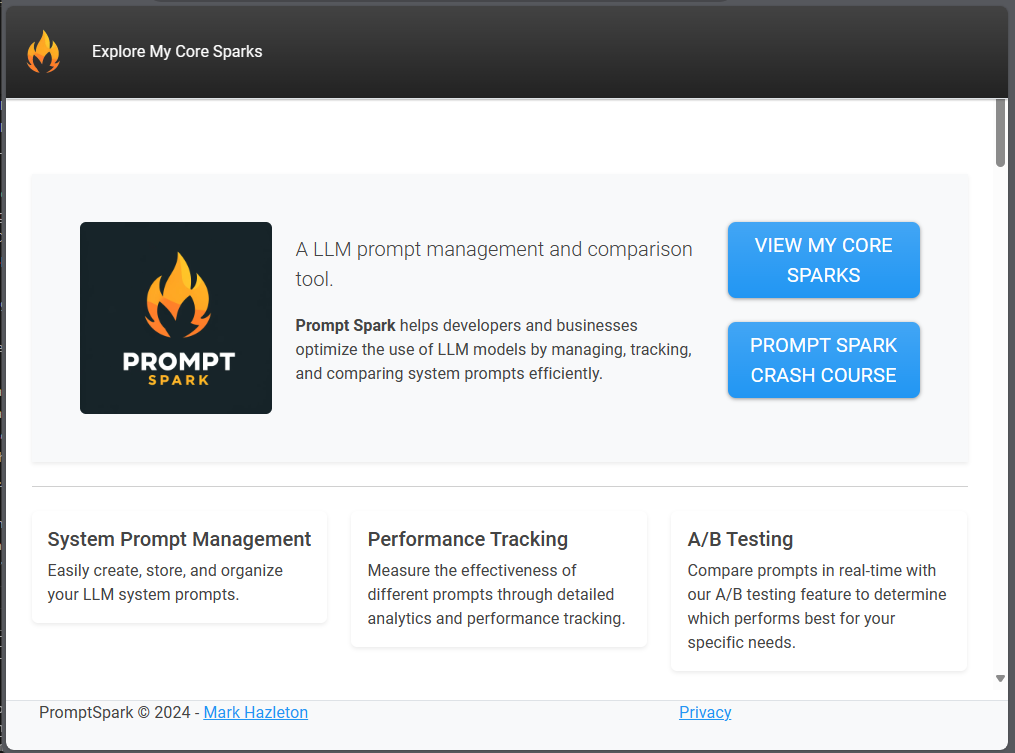
Crafting effective prompts for AI models is a skill that enhances productivity and creativity. Tools and frameworks like PromptSpark can simplify and optimize prompt management, making them accessible for a wide range of use cases.
Related Articles
Workflow Automation
Automation tools like Zapier and Make.com streamline repetitive tasks, enabling professionals to focus on strategic initiatives. Automation is increasingly critical for maintaining efficiency in fast-paced environments.
Related Articles
AI Ethics and Governance
Understanding the ethical implications of AI ensures that its application aligns with societal values and long-term sustainability. Ethical considerations are fundamental in building trust and accountability in AI-driven solutions.
Related Articles
Generalist vs Specialist: A Learning Perspective
Professional Approach Comparison
Generalist Approach
Generalists develop a wide range of skills across multiple domains, enabling them to make connections between fields and adapt to diverse challenges. They are often well-suited for roles that require cross-disciplinary collaboration, innovation, and flexibility in dynamic environments.
Attributes
Broad skillset, cross-disciplinary thinking, versatility.
Pros
Adaptable to change, able to integrate knowledge from multiple areas, ideal for leadership or strategic roles.
Cons
Lack of deep expertise in any single domain, potential for shallow understanding in complex areas.
Specialist Approach
Specialists focus deeply on a single area of expertise, gaining in-depth knowledge and becoming authorities in their chosen field. Their work is essential in solving niche, technical problems and advancing specialized areas of research or development.
Specialist Attributes
Deep expertise, technical proficiency, focused knowledge.
Specialist Pros
High demand in niche fields, critical for advancing specialized knowledge, recognized as domain experts.
Specialist Cons
Less adaptable to cross-disciplinary challenges, may face obsolescence if the field evolves or contracts.
Summary
In a rapidly changing environment, the ability to adapt and learn quickly is essential. While specialists provide critical depth and domain-specific insights, I predict greater success for adaptable generalists who can learn and utilize a variety of tools across disciplines. This approach fosters versatility and innovation, enabling professionals to address the dynamic challenges of AI technology comprehensively rather than focusing solely on one aspect.
Moving Forward with Purpose
The Role of Lifelong Learning in Adaptability
Incorporating AI into my learning process has reinforced an essential truth: adaptability is the cornerstone of resilience. AI provides tools that enable rapid upskilling, real-time feedback, and cross-disciplinary collaboration, which are crucial in navigating an ever-changing professional landscape.
Moving Forward with Purpose
As AI continues to shape our world, my approach to lifelong learning has become more intentional. I prioritize tools and strategies that align with my values and professional goals while maintaining a focus on the broader ethical and societal impacts of AI.
Conclusion
Adapting to the AI age is not about abandoning the principles of lifelong learning but about enriching them with new possibilities. By embracing AI thoughtfully and purposefully, we can enhance our ability to learn, grow, and contribute meaningfully to our professions and communities. For me, lifelong learning remains a journey, not a destination—one where AI has become an invaluable companion.
Explore More
- English: The New Programming Language of Choice -- How English is Transforming Software Development
- The Power of Lifelong Learning -- The Ongoing Choice to Stay Curious and Capable
- The Art of Making Yourself Replaceable: A Guide to Career Growth -- Embrace Replaceability for Career Advancement
- The Balanced Equation: Crafting the Perfect Project Team Mix -- Achieving Project Success with a Balanced Team
- Using Large Language Models to Generate Structured Data -- Revolutionizing Data Structuring with AI
Related project evidence
PromptSpark
PromptSpark.Chat is a real-time, workflow-driven chat application built with ASP.NET Core, SignalR, and Adaptive Cards. Users interact with branching multi-step workflows through conversational UI, with optional AI-driven responses via IChatCompletionService.

KeyPressCounter
Lightweight Windows system tray utility monitoring keyboard and mouse input activity alongside real-time system performance metrics and usage statistics.

Frogsfolly.com Main
Frogsfolly.com is the original website I created in 1999 when learning web technologies.
Working through something similar?
If this maps to something you're working on, I'm glad to compare notes. Start with the system and the constraint that matters most.