Sidetracked by Sizzle: Staying Focused on True Value
Sidetracked by Sizzle" is a phrase I use as a personal compass — a reminder that the most impressive-looking solution and the most valuable one are often different things. This article explains where the phrase comes from, what it means in practice, and why I keep it in my professional profiles as a standing commitment to evaluate technology on outcomes rather than appeal.
Leadership Philosophy Series — 6 articles
- The Power of Lifelong Learning
- AI and Critical Thinking in Software Development
- Sidetracked by Sizzle: Staying Focused on True Value
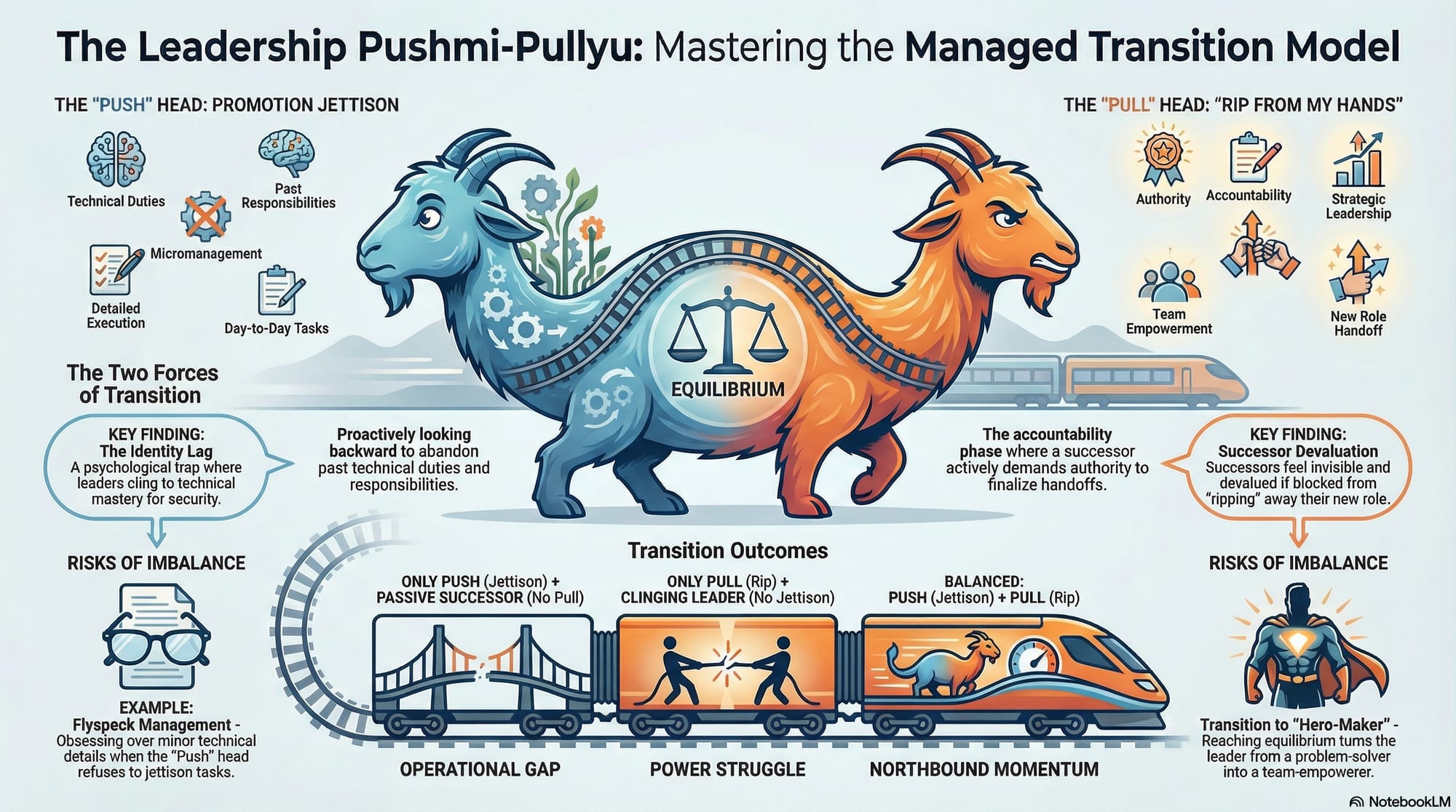
- The Managed Transition Model: Leadership Promotion as Power Exchange
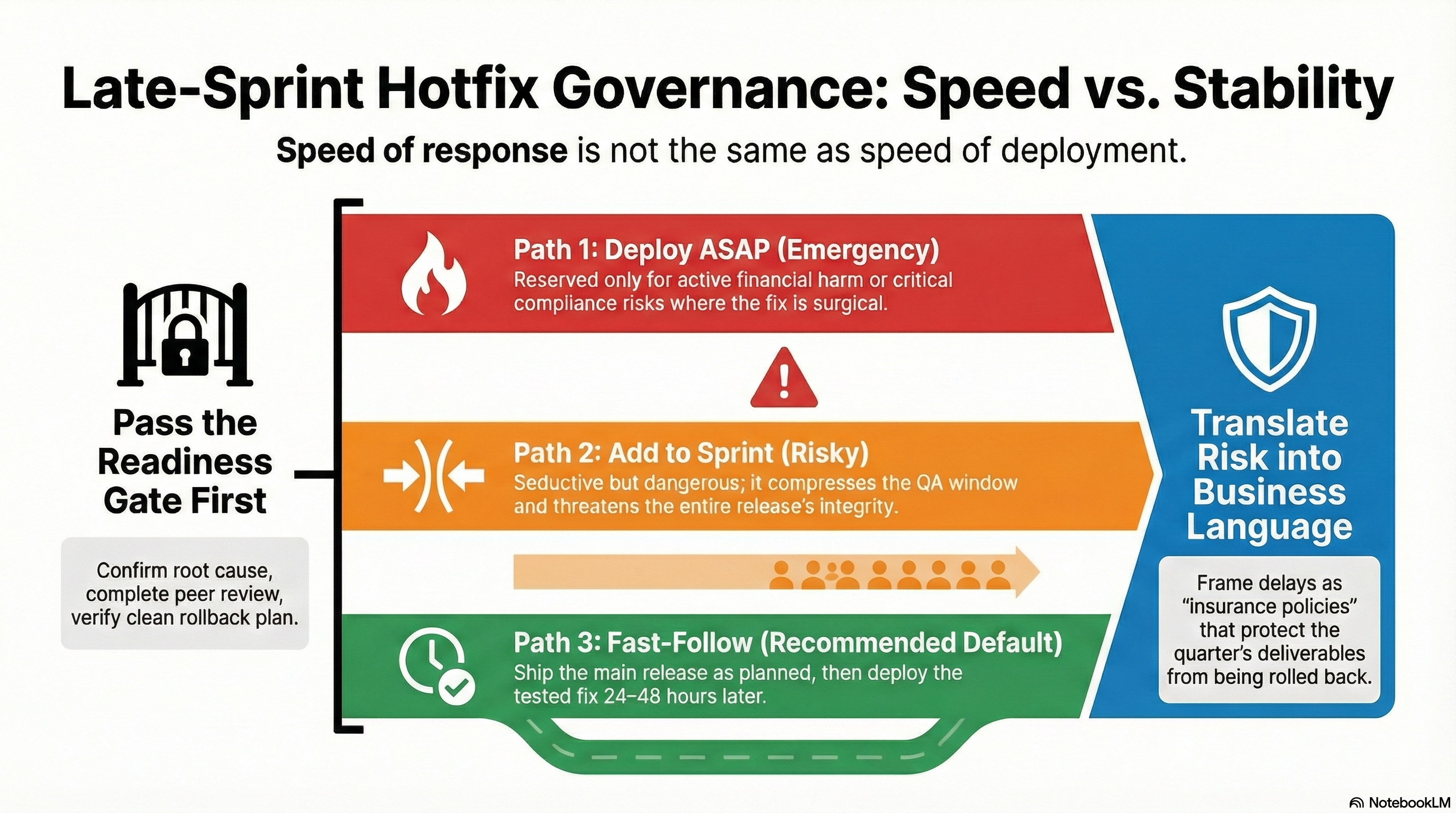
- When the Pressure is On - Late Sprint Hotfix Governance
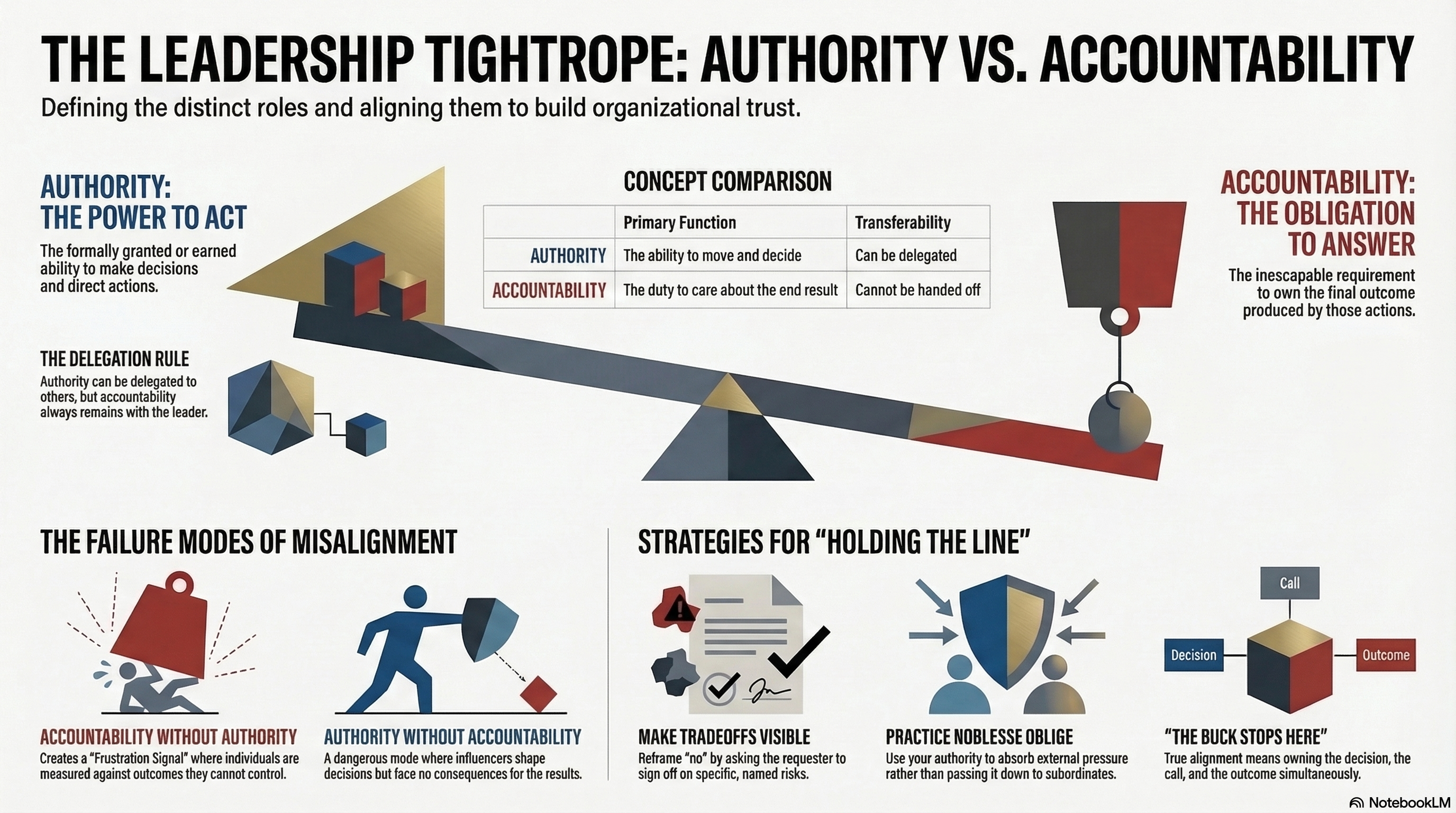
- Accountability and Authority: Walking the Tightrope
Deep Dive: Sidetracked By Sizzle
What "Sidetracked by Sizzle" Means to Me
I carry the phrase Sidetracked by Sizzle as a personal compass. It appears in my LinkedIn profile, in how I introduce myself in professional contexts, and in the way I try to frame technology conversations on teams I work with. It is, in three words, the failure mode I have watched derail more projects than any technical problem I can name.
Sizzle is what something looks like when the presentation is more compelling than the substance. In a restaurant, sizzle is the sound a cast-iron skillet makes when it arrives at the table — before you've tasted anything. In software, sizzle is the demo that generates excitement in a room, the framework that every blog post says you should be using, the architectural pattern that seems to solve everything at once. It looks good. It sounds right. It generates momentum.
Sidetracked is what happens when that momentum pulls a team away from the outcomes they were actually hired to deliver. Not because anyone made a bad decision with bad intentions — the pull is real and reasonable. The people most drawn to sizzle are often the most technically curious and capable people on the team. They got into this field because they liked exploring what technology could do. That curiosity is a genuine asset.
The problem isn't curiosity. It's what happens when the appeal of something new substitutes for the harder question: does this, for this problem, for this team, at this moment, actually produce better outcomes for the business? When that question doesn't get asked — or gets answered too quickly — resources flow toward what's interesting rather than what matters.
I keep the phrase in my profile as a standing public commitment: I will ask that question. I will prioritize substance over appearance. I will evaluate technology on what it delivers, not on how it presents.
I also recorded a Deep Dive video on Sidetracked by Sizzle that covers this topic in more depth — including examples from projects where the sizzle trap was hardest to spot.
The Moment Sizzle Enters the Room
It usually happens in a meeting. Someone opens a demo, or mentions a framework that a competitor just adopted, or shares a blog post about a technology that promises to solve the exact category of problem the team has been struggling with. And for a moment — sometimes longer than a moment — the room forgets what it was working on.
That pull is worth understanding rather than just resisting. New technology is genuinely exciting. Curiosity isn't a defect. The ability to recognize when something new is actually better than what you have is a skill worth cultivating.
The problem is the pattern where the appeal of novelty substitutes for the harder work of asking whether this particular technology, for this particular problem, for this particular team and timeline, actually produces better outcomes for the business.
What Sizzle Actually Costs
The cost of chasing sizzle rarely shows up cleanly in a project budget. It accumulates in more subtle ways.
There's the direct cost: time and engineering effort spent evaluating, piloting, and partially integrating a technology that turns out not to justify its complexity. That's recoverable, if it surfaces early. The more damaging version is when a team spends months on an approach and then discovers that the fundamental business outcome — the thing the project was supposed to improve — hasn't moved.
There's also an opportunity cost. Every sprint spent on a feature that didn't need to exist is a sprint not spent on one that did. Flashy dashboards built while core reliability issues remain unresolved. Impressive integrations that no user actually needed. The portfolio of things that got built but didn't matter is often much larger than anyone would like to admit, and it tends to expand when teams are drawn toward interesting work rather than impactful work.
The subtler cost is the credibility one. When stakeholders see resources absorbed by things that don't translate into business improvement, they start to wonder whether the team understands what the business actually needs. That loss of trust is harder to measure and harder to repair than any delayed timeline.
Staying Anchored Without Closing Off
The antidote to sizzle isn't skepticism about all new technology. That overcorrection creates its own problems — teams that miss genuinely useful shifts because they've conditioned themselves to resist anything unfamiliar.
The more useful frame is treating technology choices the same way good product decisions get made: by starting with the outcome, not the solution. Before evaluating whether a new tool or framework is worth pursuing, the prior question is whether there's a clear, measurable outcome it would help achieve. If the answer is yes, the evaluation has a standard to work against. If the answer is vague — "it'll make things more modern," "it's what everyone's moving to" — that's a signal worth pausing on.
Deep knowledge of the business domain matters here in a way that's easy to underestimate. The engineers and project managers who are least likely to get sidetracked by sizzle are generally the ones who understand not just the technical problem but the business problem behind it. When you know what success looks like for the customer, it's much easier to see when a proposed solution is genuinely moving toward that versus when it's a detour that happens to be technically interesting.
Stakeholder feedback plays a similar role. Clients and end users are rarely seduced by technology for its own sake. They tend to be concerned with whether the system does what they need it to do. Regular conversations grounded in what they're experiencing — what's working, what's frustrating, what would actually help — provide a useful counterweight to internal enthusiasm about technical possibilities.
The Discipline of Staying Focused
Staying focused in the face of genuine novelty requires a kind of ongoing calibration. The question isn't "should we ever change course?" — course corrections are part of the work. The question is whether a proposed change is being driven by evidence about outcomes or by attraction to what's new and interesting.
That calibration is a leadership responsibility as much as a personal one. Teams will naturally drift toward engaging work. The leader's job is to ensure that what's engaging and what's impactful are pointed in the same direction — and to gently but clearly refocus when they diverge.
"Not sidetracked by sizzle" isn't a posture of resistance. It's a commitment to honest evaluation: of what the business actually needs, of what the technology actually delivers, and of whether there's a real match between the two.
Further Reading
- From Features to Outcomes: Keeping Your Eye on the Prize — the feature-vs-outcome distinction is the clearest lens for spotting sizzle
- Evolution over Revolution: A Pragmatic Approach — sizzle often arrives dressed as a revolutionary rewrite
- Accountability and Authority: Walking the Tightrope — accountability to outcomes is what keeps focus honest
Explore More
- The Power of Lifelong Learning -- The Ongoing Choice to Stay Curious and Capable
- When the Pressure is On - Late Sprint Hotfix Governance -- Rational decision-making when everyone's screaming "rush, rush, rush"
- Accountability and Authority: Walking the Tightrope -- A continuation of Dave's story — what happened Monday morning
- From Features to Outcomes: Keeping Your Eye on the Prize -- Focus on Outcomes, Not Just Features
- AI and Critical Thinking in Software Development -- What AI Handles and What Humans Must Still Own