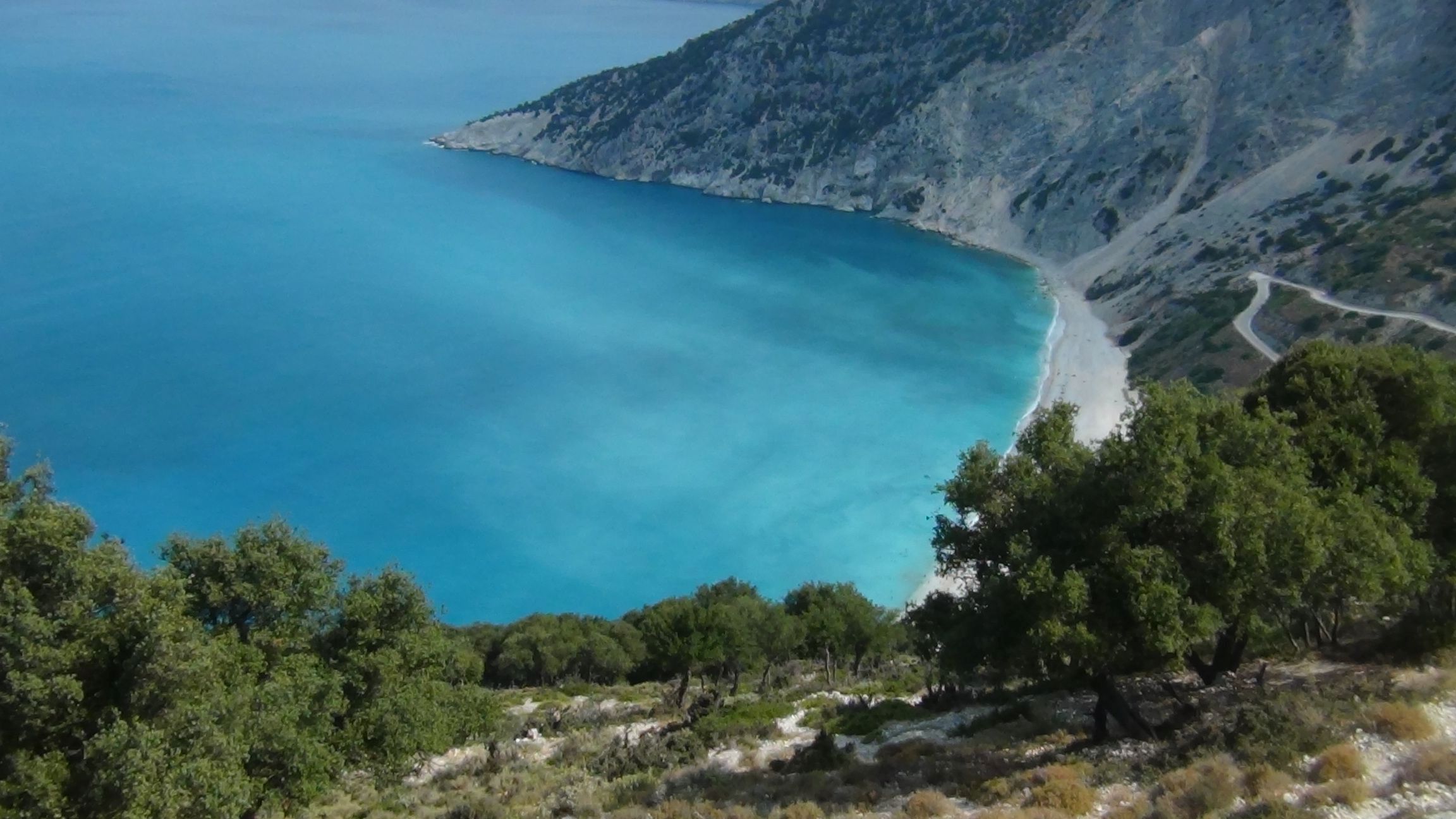
Pedernales Cellars Winery in Texas Hill Country
Located in Stonewall, Texas, Pedernales Cellars is known for crafting award-winning Spanish and Rhône-style wines from 100% Texas-grown grapes. Run by sixth-generation Texans, the winery blends traditional values with modern environmental responsibility.
Case Studies Series — 19 articles
- Mastering Web Project Mechanics
- From Concept to Live: Unveiling WichitaSewer.com
- Taking FastEndpoints for a Test Drive
- Fixing a Runaway Node.js Recursive Folder Issue
- Windows to Mac: Broadening My Horizons
- Using NotebookLM, Clipchamp, and ChatGPT for Podcasts
- A Full History of the EDS Super Bowl Commercials
- OpenAI Sora: First Impressions and Impact
- Riffusion AI: Revolutionizing Music Creation
- The Creation of ShareSmallBiz.com: A Platform for Small Business Success
- Kendrick Lamar's Super Bowl LIX Halftime Show
- Pedernales Cellars Winery in Texas Hill Country
- From README to Reality: Teaching an Agent to Bootstrap a UI Theme
- Building ArtSpark: Where AI Meets Art History
- Building TeachSpark: AI-Powered Educational Technology for Teachers
- Exploring Microsoft Copilot Studio
- Safely Launching a New MarkHazleton.com
- SupportSpark: A Lightweight Support Network Without the Noise
- Cloudflare and IIS: Hosting My .NET Sites on One VM
Deep Dive: Pedernales Cellars Winery in Texas Hill Country
Pedernales Cellars Winery in Texas Hill Country
I've watched a lot of Texas wineries apologize for their terroir—importing fruit from California, hedging their bets against the Hill Country heat. Pedernales Cellars doesn't. David Kuhlken's decision to work exclusively with Texas-grown grapes was a constraint that forced genuine innovation, and visiting the winery in Stonewall made clear why that single commitment shapes everything else they do—from which varietals they plant to how they built their cellar into the side of a limestone hill.
Deep Dive: Pedernales Cellars Winery
What I found on my visit to Pedernales Cellars was that the family's commitment to 100% Texas fruit revealed something most wineries in the region miss: the Hill Country's Mediterranean climate isn't a liability to manage, it's a character to cultivate. Siblings David and Julie Kuhlken built on their parents' early viticulture work to create a winery that treats Spanish and Rhône varietals not as exotic experiments but as natural fits for this land. That conviction runs through everything—their winemaking process, their sustainability practices, and how they're thinking about what comes next.
History and Founding
The Kuhlkens planted their first vineyard near Fredericksburg in the early 1990s, when Texas winemaking was still largely a bet. Their property sat in the Bell Mountain AVA—the first designated American Viticultural Area in Texas—and those early years were spent learning which grapes could actually thrive in the region's heat and soil. By 2006, when David and Julie launched Pedernales Cellars as a boutique winery, they had something most Texas wineries lacked: a decade of estate fruit data and a clear picture of what the Hill Country could produce. David, who trained at Rice and apprenticed in the cellar his parents built, stepped in as head winemaker. Julie, a former philosophy professor, took on operations, marketing, and hospitality. The third generation of the family has since joined in vineyard and cellar work, which tells you something about how seriously the Kuhlkens treat continuity.
The winery's name honors the Pedernales River that winds through the Hill Country, and the Spanish word pedernales meaning "flint"—a reference to the flint arrowheads and tools discovered on their property. It's a name that connects the wine to the land's history in a way that feels earned rather than decorative.
Winemaking Philosophy and Techniques
Spanish and Rhône Varietals
The winery centers on warm-climate varietals—Tempranillo, Viognier, Mourvèdre, Grenache, and Albariño. In my experience visiting wineries across different regions, the choice of varietal is often where a winemaker's real philosophy surfaces. David's focus on grapes with Mediterranean lineage isn't a marketing angle; these are varietals that evolved in climates with hot summers and unpredictable rainfall, which maps closely to what Hill Country growers actually face.
Small-Lot, Artisanal Methods
Open-top fermentation bins, oak barrel aging, and minimal intervention define the production process. What I found particularly interesting is their underground cellar—completed in 2008 as the largest underground wine cellar in Texas—built directly into the limestone hill for natural geothermal insulation. That's not a technology decision; it's an architectural one that shapes every aging decision they make. They also experiment with pet-nat styles like the Kyla Tempranillo Rosé, which signals a willingness to push the boundaries of what Texas wine is expected to be.
Commitment to Sustainability
What strikes me about Pedernales is how thoroughly they've integrated sustainability across every aspect of their operation—not as a branding exercise, but as a series of practical choices that compound over time.
In the Vineyard
- Native grasses and cover crops retain moisture
- Birdhouses foster natural pest control
- Organic composting returns nutrients to the land
- Partnerships with organic growers, including one High Plains vineyard targeting 2024 certification
In the Winery
- Cellar built into limestone hill for natural insulation
- Geothermal cooling reduces energy usage
- Steam sanitization replaces harsh chemicals
- Recycling of oak, cardboard, and more
Tasting Room and Grounds
- Four EV charging stations
- Energy-efficient lighting and local product sourcing
- 55,000-gallon rainwater tank for irrigation
- Ecosystem restoration on estate lands
Social and Industry Initiatives
Pedernales is woman-owned and maintains fair labor practices. Their collaboration with Texas State University to advance statewide wine sustainability research is, in my view, one of the more interesting models I've seen for how a regional winery can contribute to agricultural knowledge beyond its own property line. The trade-off here is that this kind of institutional partnership takes time and resources that don't show up directly on the bottle—but the long-term payoff for the Texas wine industry is real.
Looking Ahead
Future releases will feature organically certified Texas grapes, with their first 100% organically grown vintage planned for release in 2024. Their 2020 Valhalla Montepulciano blend is the kind of release worth watching—it reflects years of learning which Texas-grown fruit can anchor a serious red. For anyone curious about where sustainable agriculture and craft winemaking actually intersect in practice, rather than in press releases, Pedernales offers a case study grounded in three decades of working the same Hill Country land.
For more information, visit Pedernales Cellars and plan your visit today.
Sources: Pedernales Cellars, Texas Fine Wine, The Rose Table
Explore More
- Mastering Web Project Mechanics -- Explore essential strategies for web project success
- Exploring Microsoft Copilot Studio -- Discover the Future of AI with Mark Hazleton
- From Concept to Live: Unveiling WichitaSewer.com -- Exploring the Development Journey of WichitaSewer.com
- Taking FastEndpoints for a Test Drive -- Exploring the streamlined approach to building ASP.NET APIs
- Fixing a Runaway Node.js Recursive Folder Issue -- Addressing Infinite Recursive Directory Creation in Node.js