The Power of Lifelong Learning
The field keeps moving. The technologies shift, the practices evolve, the problems get more complex. Lifelong learning isn't a scheduled activity — it's the posture that keeps you genuinely useful over time. This article explores what that looks like in practice, across the different modes of learning that have mattered most in a long career in software.
Leadership Philosophy Series — 6 articles
- The Power of Lifelong Learning
- AI and Critical Thinking in Software Development
- Sidetracked by Sizzle: Staying Focused on True Value
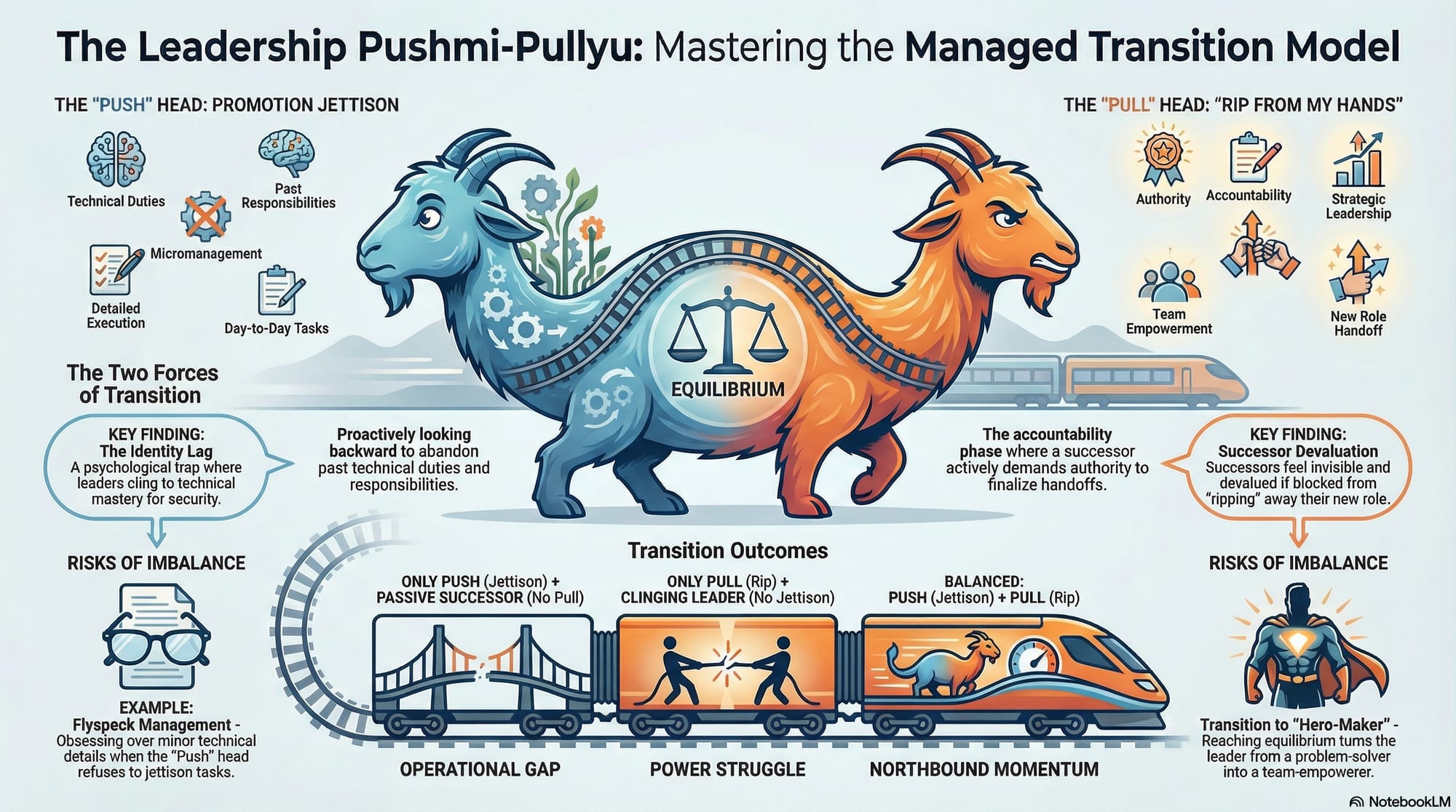
- The Managed Transition Model: Leadership Promotion as Power Exchange
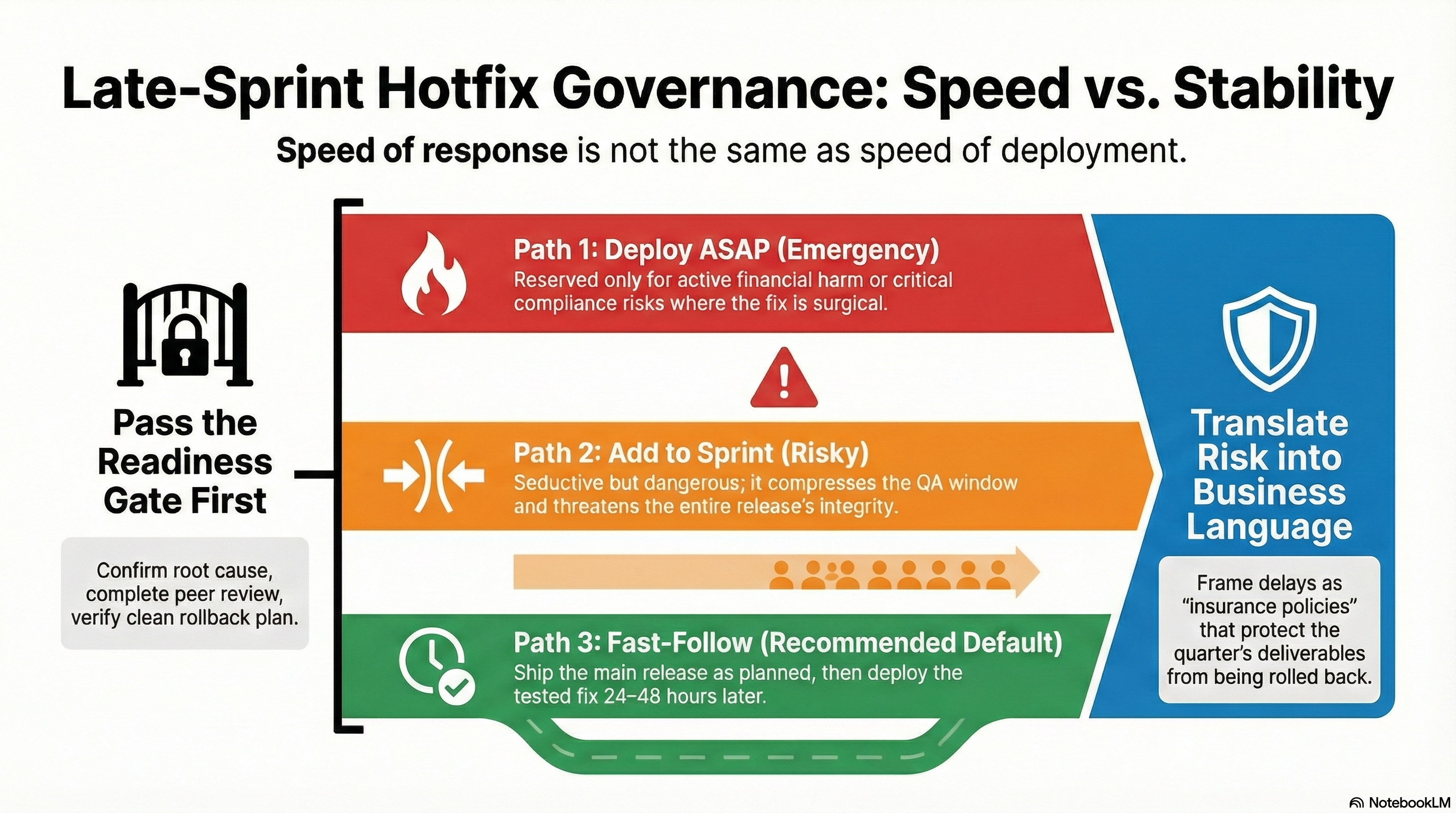
- When the Pressure is On - Late Sprint Hotfix Governance
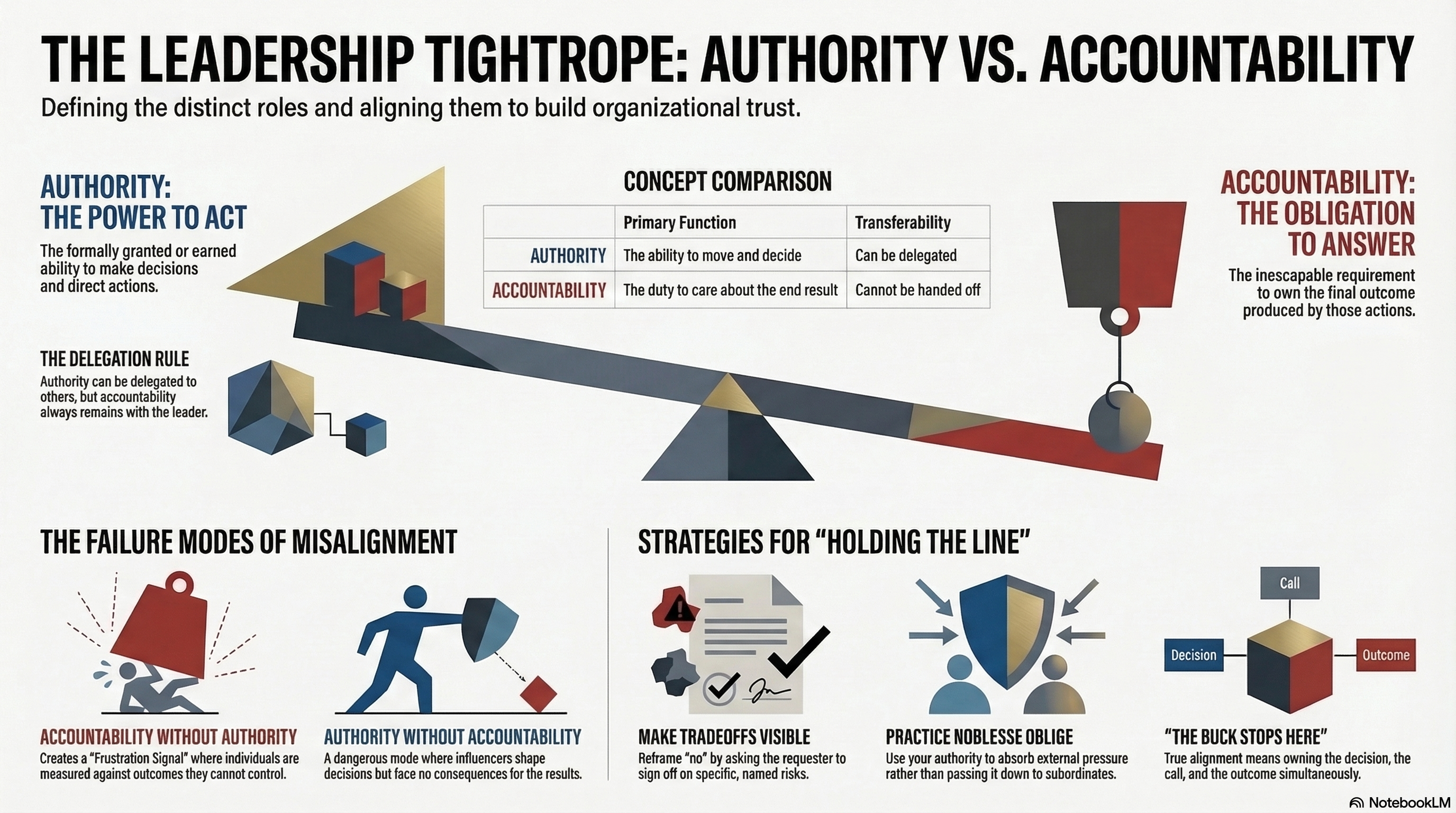
- Accountability and Authority: Walking the Tightrope
Deep Dive: Lifelong Learning
The Field Keeps Moving
Life is an endless classroom where every interaction offers a chance to learn something new — that's B.B. King's observation, and it holds up. The beautiful thing about learning is that no one can take it away from you. But in software development, the corollary is also true: the things you already know have a shorter shelf life than you might expect.
Technologies that were foundational five years ago are optional today and legacy tomorrow. Practices that represented the state of the art become the thing the next generation is hired to replace. This isn't a complaint about the pace of change — it's just the nature of the field. The question isn't whether things will change but whether you're positioned to stay genuinely useful as they do.
What that requires isn't a specific platform or a study schedule. It's a posture — a sustained orientation toward staying curious and capable rather than coasting on what's already known. The mechanics of how to do that are worth examining, because they're more varied and context-dependent than the usual "take more courses" advice suggests.
I also recorded a Deep Dive video on Lifelong Learning that covers this topic in more depth, including a discussion of how the pace of change in software makes deliberate learning a non-negotiable rather than a nice-to-have.
Structured Learning: When the Curriculum Helps
There are times when organized, externally structured learning is exactly the right tool. A new technology you need to get up to speed on quickly. A certification that matters for a role or a client. A domain you're entering from the outside and don't yet have the mental map for.
Platforms like Pluralsight, Microsoft Learn, and LinkedIn Learning have made this kind of learning far more accessible than it used to be. Microsoft Learn in particular is worth noting for anyone working in the Azure ecosystem — the free hands-on labs and sandboxed environments let you experiment without provisioning real infrastructure, which lowers the barrier to actually trying things rather than just reading about them.
The part of structured learning that tends to matter most isn't the content itself — it's the forcing function. A defined curriculum with a clear endpoint provides external pressure that self-directed exploration often doesn't. For learning that needs to happen on a timeline, that pressure is useful. For the kind of exploratory learning that leads to unexpected discoveries, it can be limiting.
Passive Learning: Using Dead Time
One of the more practical observations about professional development is how much usable time gets written off as dead time — commutes, workouts, housework, walks. None of these inherently require the part of the brain needed for deep problem-solving, and they can accommodate the kind of listening that turns out to be quite good for learning.
.NET Rocks! is the podcast I keep coming back to — Carl and Richard have been covering the Microsoft and .NET ecosystem for years with a combination of technical depth and genuine curiosity that's hard to find elsewhere. The conversational format works well for audio because it doesn't require following dense visual content, and the range of guests means you're regularly exposed to perspectives and projects you'd never seek out directly.
The key to making passive learning actually useful is selection. Subscribing to too many things produces a backlog that functions more as ambient anxiety than genuine learning. Better to follow a small number of sources well than to accumulate a long queue that never gets processed.
Unstructured Learning: Getting Your Hands on Real Code
There's a kind of understanding that can only come from working with real code in a low-stakes environment — exploring a GitHub repository for a technology you're evaluating, making modifications to see how behavior changes, tracing through a codebase to understand a design decision you've only read about.
This kind of unstructured experimentation is harder to schedule than a course, and it resists the productivity metrics that make structured learning feel satisfying. You can't put "explored a repository for three hours and followed several dead ends before understanding the pattern" on a progress bar. But the understanding it produces tends to be more durable than the understanding that comes from following a linear curriculum, because you've encountered the actual complexity rather than a curated simplification of it.
The discipline required is different from structured learning: instead of following a path, you're choosing where to look. Setting a loose intention — "I want to understand how this library handles concurrency" — without being rigid about the route tends to work better than either pure wandering or overly structured exploration.
What Sustains It
The practical challenge of lifelong learning isn't finding resources — those are abundant — it's sustaining the habit when the immediate pressure of current work competes with the longer-term investment of developing new capability.
What tends to sustain it, in my experience, is treating learning as part of the work rather than something separate from it. Not "I'll carve out time after the project ships" but "I'll understand this technology more deeply by working with it on the project." The project teaches you something; the thing you learned shapes how you approach the next project. That compounding is slower and less dramatic than a focused study sprint, but it accumulates in ways that feel meaningful over years rather than weeks.
The other thing that sustains it is genuine curiosity — which can't be manufactured through willpower alone. The fields within software that have kept me most engaged over time are the ones where I kept finding new things that surprised me. When a domain stops producing surprises, that's usually a signal worth paying attention to.
Further Reading
- AI and Critical Thinking in Software Development — AI as both a learning accelerant and a quiet risk to the judgment you're developing
- The Managed Transition Model: Leadership Promotion as Power Exchange — role transitions demand deliberate skill development, not just accumulated experience
- Accountability and Authority: Walking the Tightrope — taking genuine ownership of your development is the same muscle as taking ownership of outcomes
Explore More
- Sidetracked by Sizzle: Staying Focused on True Value -- A Personal Reminder to Stay Anchored to What Actually Matters
- When the Pressure is On - Late Sprint Hotfix Governance -- Rational decision-making when everyone's screaming "rush, rush, rush"
- Accountability and Authority: Walking the Tightrope -- A continuation of Dave's story — what happened Monday morning
- AI and Critical Thinking in Software Development -- What AI Handles and What Humans Must Still Own
- The Managed Transition Model: Leadership Promotion as Power Exchange -- A Unified Theory of Leadership Promotion and Power Exchange