From Concept to Live: Unveiling WichitaSewer.com
Creating a website involves meticulous planning and execution. This article explores the journey of WichitaSewer.com from concept to live launch, highlighting key insights and lessons learned.
Case Studies Series — 19 articles
- Mastering Web Project Mechanics
- From Concept to Live: Unveiling WichitaSewer.com
- Taking FastEndpoints for a Test Drive
- Fixing a Runaway Node.js Recursive Folder Issue
- Windows to Mac: Broadening My Horizons
- Using NotebookLM, Clipchamp, and ChatGPT for Podcasts
- A Full History of the EDS Super Bowl Commercials
- OpenAI Sora: First Impressions and Impact
- Riffusion AI: Revolutionizing Music Creation
- The Creation of ShareSmallBiz.com: A Platform for Small Business Success
- Kendrick Lamar's Super Bowl LIX Halftime Show
- Pedernales Cellars Winery in Texas Hill Country
- From README to Reality: Teaching an Agent to Bootstrap a UI Theme
- Building ArtSpark: Where AI Meets Art History
- Building TeachSpark: AI-Powered Educational Technology for Teachers
- Exploring Microsoft Copilot Studio
- Safely Launching a New MarkHazleton.com
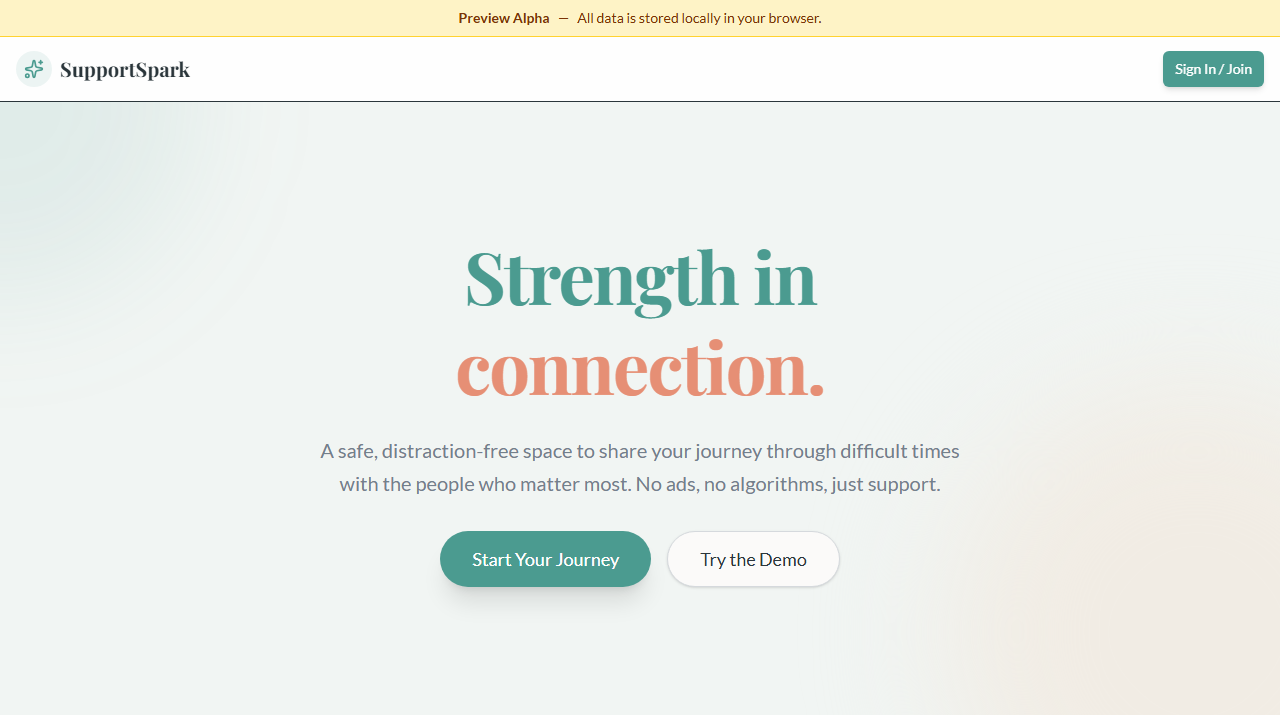
- SupportSpark: A Lightweight Support Network Without the Noise
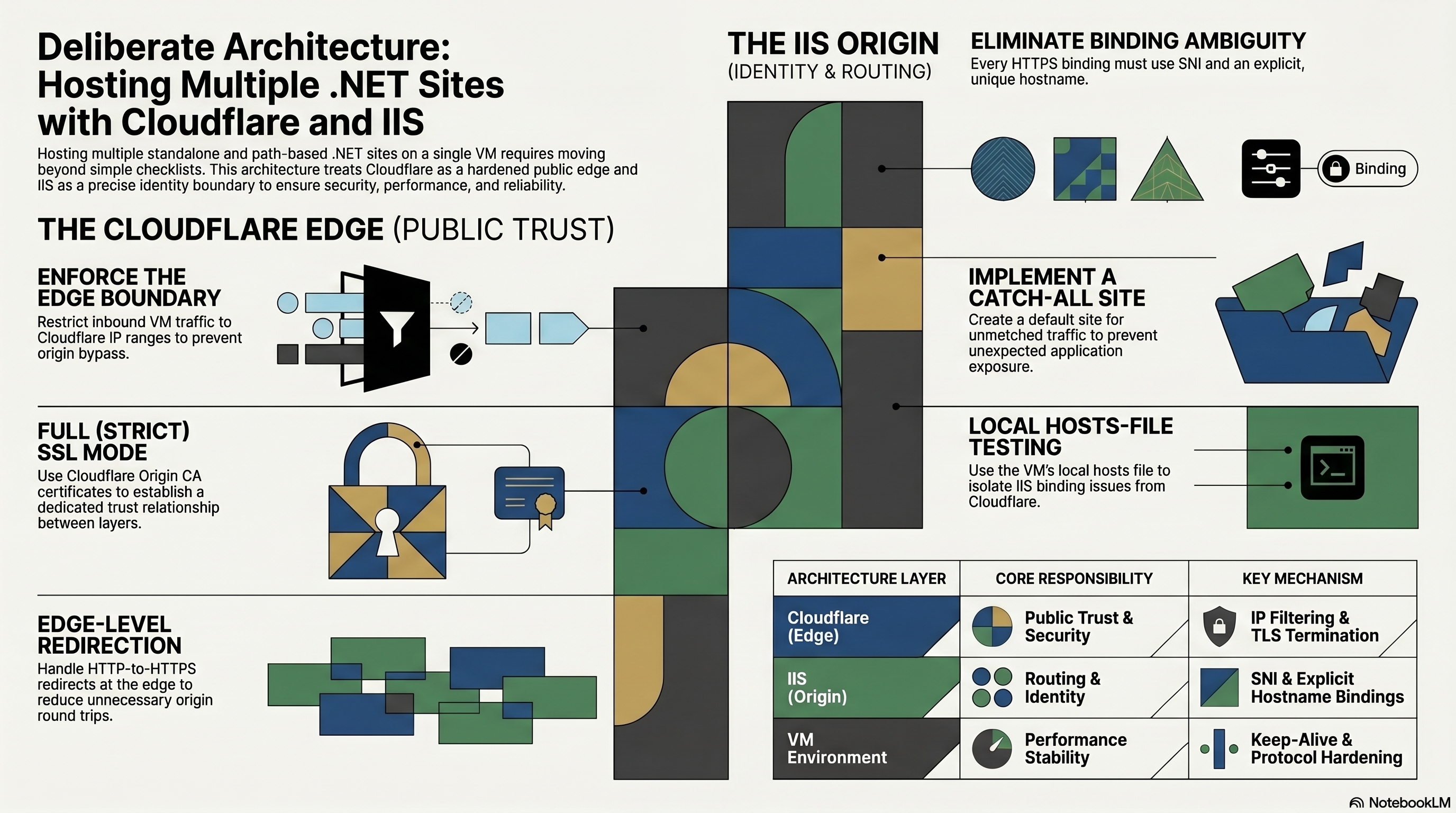
- Cloudflare and IIS: Hosting My .NET Sites on One VM
From Concept to Live: Unveiling WichitaSewer.com
The Journey of Creation
Creating a website from scratch is a challenging yet rewarding process. The Wichita Sewer and Drain build is a useful walk-through because the constraints were honest small-business constraints — modest budget, real customers, and a need for the site to actually generate calls. Worth tracing each phase from initial concept through live launch with that lens in mind.
Initial Planning
The first step in any successful website project is thorough planning. For WichitaSewer.com, this involved:
- Understanding the Client's Needs: Engaging with stakeholders to gather requirements and expectations.
- Market Research: Analyzing competitors and industry standards to ensure the website stands out.
- Defining Objectives: Setting clear goals for what the website should achieve, both functionally and aesthetically.
Design and Development
With a solid plan in place, the next phase was design and development:
- Wireframing and Prototyping: Creating initial layouts to visualize the user experience.
- Design Iterations: Refining designs based on feedback to ensure user-friendly navigation and appealing aesthetics.
- Development: Building the website using modern technologies to ensure responsiveness and functionality.
Testing and Launch
Before going live, rigorous testing was conducted:
- Functionality Testing: Ensuring all features work as intended across different devices and browsers.
- User Testing: Gathering feedback from real users to identify potential improvements.
- Final Adjustments: Making necessary tweaks based on testing outcomes.
Finally, the website was launched, marking the culmination of months of hard work and collaboration.
Lessons Learned
Throughout the development of WichitaSewer.com, several key lessons were learned:
- Importance of Communication: Regular updates and feedback loops with stakeholders are crucial.
- Flexibility: Being open to changes and improvements throughout the process enhances the final product.
- User-Centric Design: Prioritizing user experience leads to higher satisfaction and engagement.
Conclusion
The creation of WichitaSewer.com was a comprehensive journey that highlighted the importance of planning, collaboration, and adaptability. By focusing on user needs and maintaining open communication, the project successfully transitioned from concept to a live, functional website.
"The best way to predict the future is to create it." – Peter Drucker
For more insights into web development projects, contact us to learn how we can help bring your vision to life.
Explore More
- Canonical URL Troubleshooting for Static Web Apps -- Optimize Canonical URLs for Better SEO in Static Apps
- Developing MarkHazleton.com: Tools and Approach -- Building a Modern Website with Cutting-Edge Technologies
- Getting Started with PUG: History and Future -- Exploring PUG's Journey and Its Future Prospects
- Mastering Web Project Mechanics -- Explore essential strategies for web project success
- Exploring Microsoft Copilot Studio -- Discover the Future of AI with Mark Hazleton